5 Tips to Avoid Investment Scams – a Review by Richard Cayne

Stay Healthy to Keep Wealthy – by Richard Cayne
October 27, 2021
Importance of Naming Beneficiaries by Richard Cayne Meyer
December 14, 2021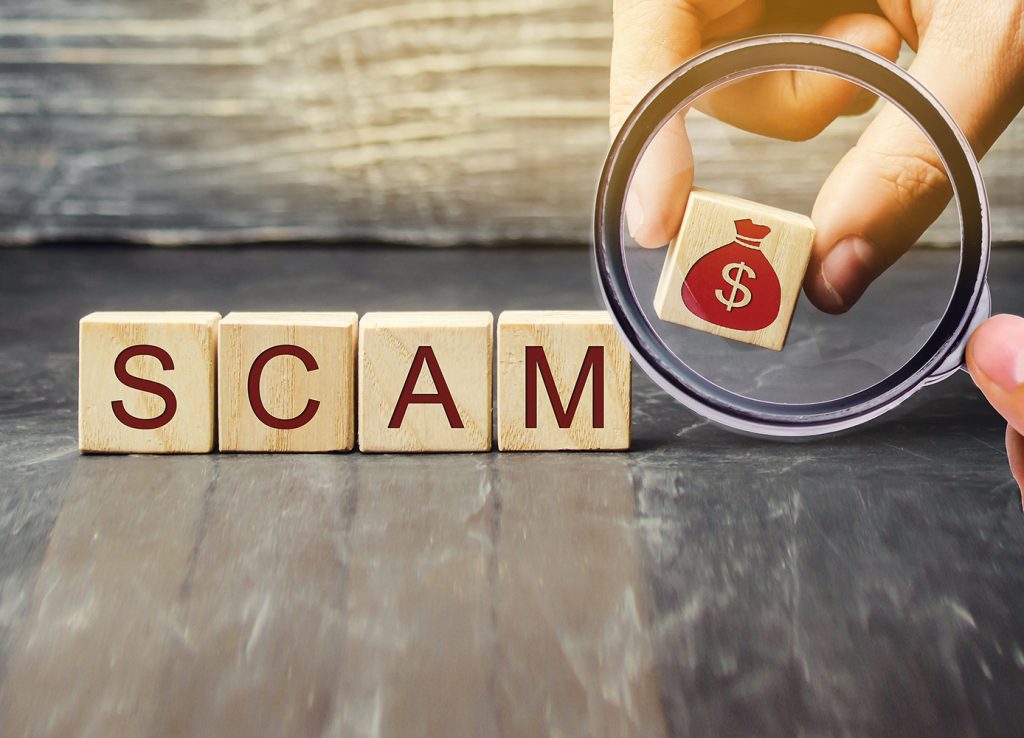
Being sensible is paramount towards avoiding fraudulent scams as you comb through your finances in your efforts to decide which investments are your best bet. When a proposal seems to offer zero losses of fast returns it can seem tempting. Be cautious however and remember the old adage: “If it’s too good to be true…”. This is your money, and thus, your future that is potentially at stake. There’s no such thing as a sure investment. It’s imperative that you are always fully aware of exactly where your money is going.
Here are my top 5 tips for properly vetting an investment offer.
Too good to be true? Guaranteed returns?
Naturally, there will always be windfalls, but generally legit investments shouldn’t come with excessive grand results. And what would we define as ‘excessive’ here? The primary goal should generally be about 5%. If the number is considerably larger, that would be downright excellent; astonishing. And words like that- “excellent”, “astonishing”, “astounding”- are words to be wary of when someone describes these supposedly wildly successful investment opportunities, as well as terms like “no risk” and “incredible profits”. In the investment game, there will always be risks. It’s practically impossible to maintain those kinds of profits over the long-term and equally as impossible to make wild guarantees about the “no risk” returns that some magic investment opportunity can yield.
Anyone suggesting that an investment can return 10% or more on a consistent basis should automatically set off red flags. And if they start throwing words like “guaranteed” around, it’s probably time to run for the door.
Demand to see it in writing
While we’re on the topic of guarantees, always be sure to get the prospectus or service agreement in writing. And then make sure you read it. Intricately. Read it twice. You may discover that the so-called “guarantee” is cancelled out by the fine print. One should never, ever fork over their hard-earned money without some form of written documentation that establishes both your right s and the responsibility of the seller. Any person or company that seems to be hesitating, avoiding or deflecting the drafting and provision of a written contract automatically looks suspicious, and you should strongly reconsider taking your money elsewhere.
And should they provide materials, always make sure that whatever materials they do provide are substantive. Thin and flimsy looks suspect. It is hard to make a well-informed decision if, for example, the brochure you’ve been given is a measly one-pager.
Cold calls, emails, and clickbait
Suppose a total stranger approached you on the street asking for money, with the promise of returning to you double the amount. Would you give it to them? I’m guessing, if you’re a sane individual, the answer would be a resounding ‘No’!. So why do people often fall for essentially the same scenario when it comes in the form of emails and unsolicited phone calls? Generally, phone scammers get your number from an auto-generated list or a lead generation service, where they will then try to lure you in by dangling some enticing offer in front of you. Usually something for free. A publication, perhaps, or maybe a lunch. By offering you these incentives, they hope to make you feel obligated to indulge their investment ‘opportunity’.
But you don’t know them any better than you would that random, hypothetical stranger I mentioned before. Always do your due diligence.
Take your time making your decision
Now, there isn’t necessarily anything wrong with attending the free seminar you saw on that banner ad or even meeting with that cold caller. Sometimes legitimate investment opportunities are born from these endeavors. However, be advised, you should seriously reconsider any intentions of moving forward should you find yourself in a situation where you are being pressured to sign up immediately or you are being asked to provide funds right off the bat. Never forget, it’s your money. It’s your duty to yourself to read up on the investment opportunities being presented to you, and to ask as many questions as possible. The ‘hard-sell’ is a dead giveaway in a scenario where you seem like you are being promised the moon.
If it’s such a sure thing, such a once-in-a-lifetime opportunity, such a risk-free investment, then you must ask yourself…why are they so desperate to pressure you into it. If it was what they said it was, it would sell itself.
Verify with a trusted advisor
Do you currently have a trusted financial advisor that you can consult with when it comes to matters such as these. If not, then having one at your disposal should be a priority for any type of investing, but particularly when it comes to situations like those described above. The ‘too good to be true’. Friends and colleagues can provide a referral, and then be sure to ask that advisor for their references and credentials. Once you have a reliable financial advisor that you can trust in your corner, you will be in an immeasurably better position to recognize possible investment scams and make all-around better and more prudent investment choices moving forward.
Richard Meyer Cayne has helped many High Net Worth Families with issues such as wealth accumulation, succession planning as well as overall portfolio construction and management using modern portfolio theory. Richard Cayne has helped from both very basic beginner portfolios to advanced extensive portfolios and has assisted thousands of Japanese accomplish their financial planning goals and objectives. Richard continues to try and make a difference in his client’s lives and always encourages his clients to discuss their family’s finances with their children in the hopes of getting them involved in understanding how the family can preserve and grow its wealth and contribute new ideas towards the common goals of the family.
In 2010 The Meyer Group was acquired by Asia Wealth Group Holdings Ltd listed on London’s AQUIS Stock Exchange